

Call us now
08071792759

 Send Inquiry
Phosphorous Acid
Price 150.0 INR/ Liter
MOQ : 1000 Liters
Phosphorous Acid Specification
- Shelf Life
- 2 Years
- Solubility
- Soluble in water
- Odour
- Odourless
- Formulations Type
- Solid
- Application Method
- Soil application or foliar spray
- Active Ingredient
- Phosphorous Acid (min. assay 98%)
- Target Crops
- All crops including fruits, vegetables, cereals, and ornamentals
- Packaging Type
- HDPE bag, drum, or customized as per requirement
- Usage
- Used for plant nutrition, fungicide formulation, and chemical synthesis
- Classification
- Inorganic Acid
- Chemical Name
- Phosphorous Acid
- CAS No
- 10294-56-1
- EINECS No
- 231-813-4
- MF
- H3PO3
- Application
- Agriculture/Fertilizer, Intermediate for chemical synthesis
- Physical State
- Powder/Crystal
- Release Type
- Quick
- Product Type
- Technical Grade
- Storage
- Cool and dry place, tightly sealed
- Dosage
- As recommended by agronomist/requirement
- Moisture Content
- < 1%
- Melting Point
- 73.6C
- Appearance
- White crystalline solid
- HS Code
- 28092010
- Molecular Weight
- 82 g/mol
- Hazard Class
- Corrosive, handle with care
- pH (1% solution)
- 1.5-2.0
- Purity
- 98% Min
- Stability
- Stable under recommended storage conditions
Phosphorous Acid About
PHOSPHONIC ACID, particularly monopotassium phosphate (MKP), offer several benefits in agriculture and other applications. They are used as fertilizers, provide essential nutrients, act as a buffering agent, and can be used to control certain plant diseases. Benefits of Potassium Salts of Phosphorus: Fertilizer: MKP is a soluble salt of potassium and the dihydrogen phosphate ion, providing both phosphorus and potassium, essential nutrients for plant growth. Buffering Agent: MKP can be used in fertilizer mixtures to reduce ammonia escape by keeping the pH low. Plant Disease Control: Phosphite salts, including potassium phosphite, can be effective fungicides, particularly against oomycetes like phytophthora and pythium. Improved Crop Yield and Quality: Potassium salts of active phosphorus (PSAP) can increase plant productivity by 30-50% and improve product quality. Reduced Cultivation Costs: PSAP can also help reduce the cost of cultivation. Enhanced Plant Metabolism: PSAP regulates plant metabolism, improves nutrient uptake, and increases plant vigor. Stress Tolerance: PSAP helps plants tolerate abiotic and biotic stresses. Features of Potassium Salts of Phosphorus: Solubility: MKP is highly water-soluble, making it easily absorbed by plant roots. Availability: Potassium phosphate is a common and readily available phosphatic fertilizer. Effectiveness: Phosphate salts have been shown to be effective in various applications, including treating high calcium levels in the blood and preventing calcium kidney stones.Versatile Agricultural Applications
Phosphorous Acid is an essential nutrient source for all types of crops, including fruits, vegetables, cereals, and ornamentals. Applied through soil or foliar sprays, it promotes healthy plant growth and robust yields. Its effectiveness extends to use in fungicide formulations and as an intermediate in chemical synthesis, making it a valuable commodity for various agricultural operations.
High Stability and Safe Packaging
With a purity of 98% and moisture content below 1%, Phosphorous Acid is formulated as a solid and packaged securely in HDPE bags, drums, or customized options. It remains stable for up to two years when stored in a cool, dry environment with tight sealing, ensuring product integrity and user safety under recommended handling protocols.
FAQ's of Phosphorous Acid:
Q: How is Phosphorous Acid typically used in agriculture?
A: Phosphorous Acid is primarily utilized for plant nutrition and as a component in fungicide formulations. Depending on agronomist recommendations, it can be applied directly to the soil or as a foliar spray for a broad spectrum of crops, supporting healthy growth and improving resistance to diseases.Q: What are the benefits of applying Phosphorous Acid to crops?
A: The application of Phosphorous Acid provides essential nutrients, enhances plant vigor, and can help mitigate fungal diseases. Its quick-release attribute ensures a timely nutrient supply, resulting in higher crop yields and better overall plant health.Q: When should Phosphorous Acid be applied to crops for maximum effectiveness?
A: Phosphorous Acid should be applied during key growth stages, as guided by an agronomist or according to crop needs. Early application ensures plants receive timely nutrient support, especially in periods of active growth or heightened disease pressure.Q: Where should Phosphorous Acid be stored to maintain its quality?
A: Store Phosphorous Acid in a tightly sealed container in a cool, dry place. Proper storage preserves the product's stability, efficacy, and extends its shelf life up to two years.Q: What safety precautions should be taken when handling Phosphorous Acid?
A: As Phosphorous Acid is classified as corrosive, it is important to handle it with care. Use protective gear such as gloves and goggles, and avoid contact with skin or eyes. Always follow manufacturer guidelines and local safety regulations.Q: How is Phosphorous Acid delivered or packaged for large-scale use?
A: The product is available in solid form-either powder or crystalline-and supplied in HDPE bags, drums, or customized packaging according to the user's requirements. This ensures safe transport and storage for distributors and agricultural operations.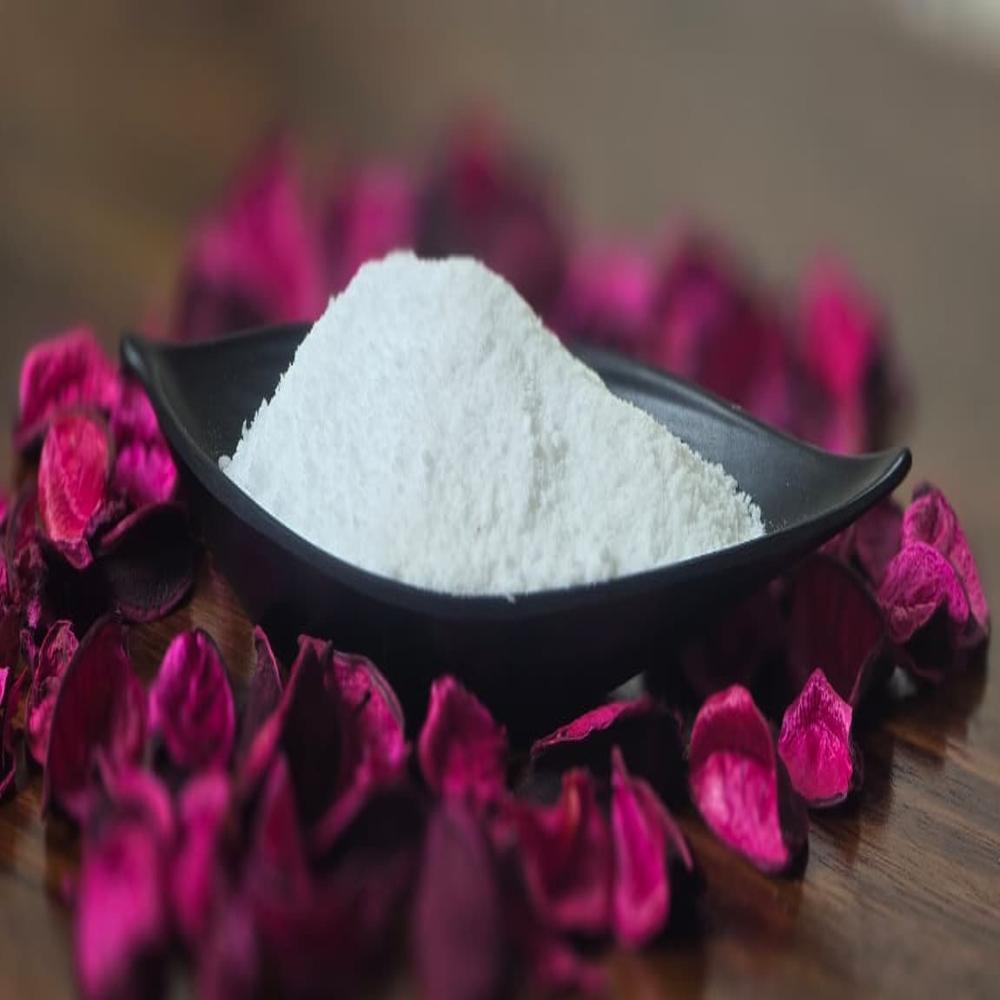
Tell us about your requirement

Price:
Quantity
Select Unit
- 50
- 100
- 200
- 250
- 500
- 1000+
Additional detail
Mobile number
Email

More Products in Organic Pesticide Category
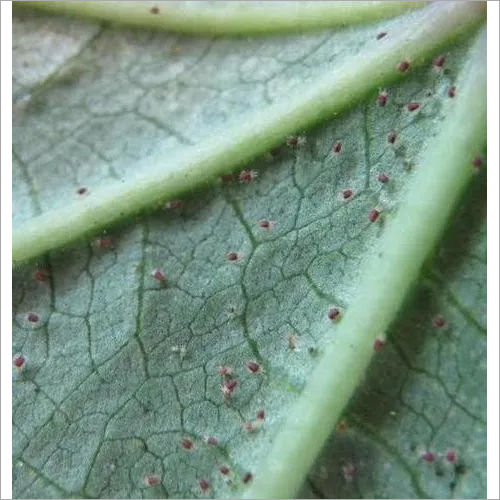
Bio Pesticide for Mite & Thrips
Price Range 750.00 - 950.00 INR / Liter
Minimum Order Quantity : 500 Liter Liters
Dosage : 1 to 1.5 ml /liter Water
Physical State : Liquid
Classification : Other
Application : Agriculture, Agrochemical

GST : 27AEOPN3104Q1Z0
Office No 502, 5th Floor, Fortuna Business Centre, Pimple Saudagar, Pune - 411027, Maharashtra, India
Phone :08071792759
 Send Inquiry
Direct Number: 919272612058
 Send Inquiry
 Send SMS
ALWIN RESEARCH AND FINE CHEM
All Rights Reserved.(Terms of Use)
Developed and Managed by Infocom Network Private Limited.
Developed and Managed by Infocom Network Private Limited.

